Espírito Santo: el estado brasileño que combina playa, patrimonio y ballenas
A unas pocas horas por vía aérea de Buenos Aires, el estadoorporo reúne una capital costera, un manglar navegable, una tradición culinary protegida y una temporada anual de avistamiento de ballenas jorobadas.
11 kilómetros cuadrados de manglar urbano y 1,2 millones de peregrinos en una sola romería anualHELPERS SSD SSD. Espir Santo fourthsmallest Brazilianstate
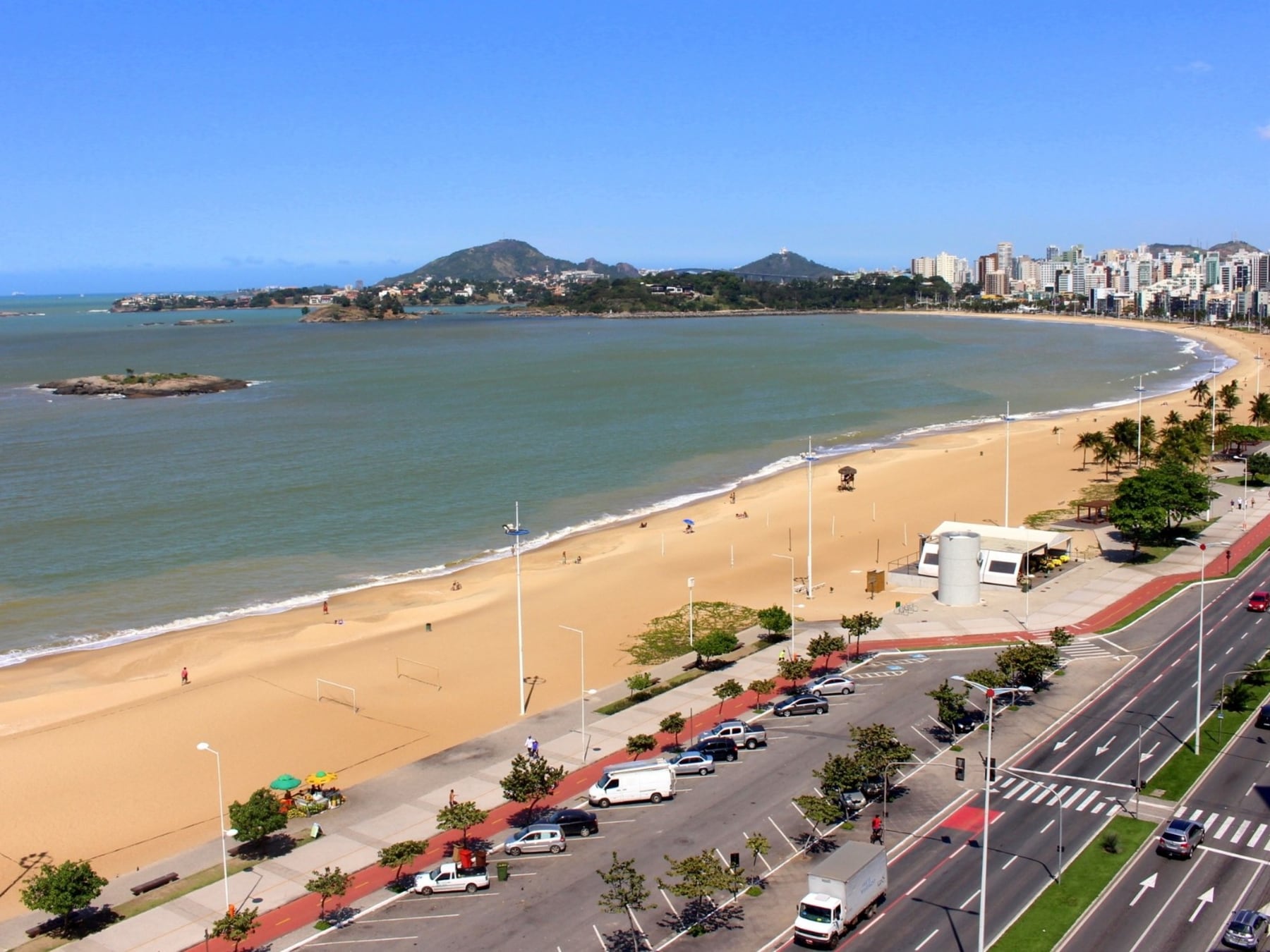
Espírito Santo ocupa el cuarto lugar entre los estados más pequeños de Brasil yoffers una propuesta turística que until recently passed almost unnoticed in the itineraries of travelers from the Southern Cone. Its capital, Vitória, brings together most of the main attractions, although several places of interest are located within a manageable radius and do not require long transfers.
Una cocina capixaba con identidad propia
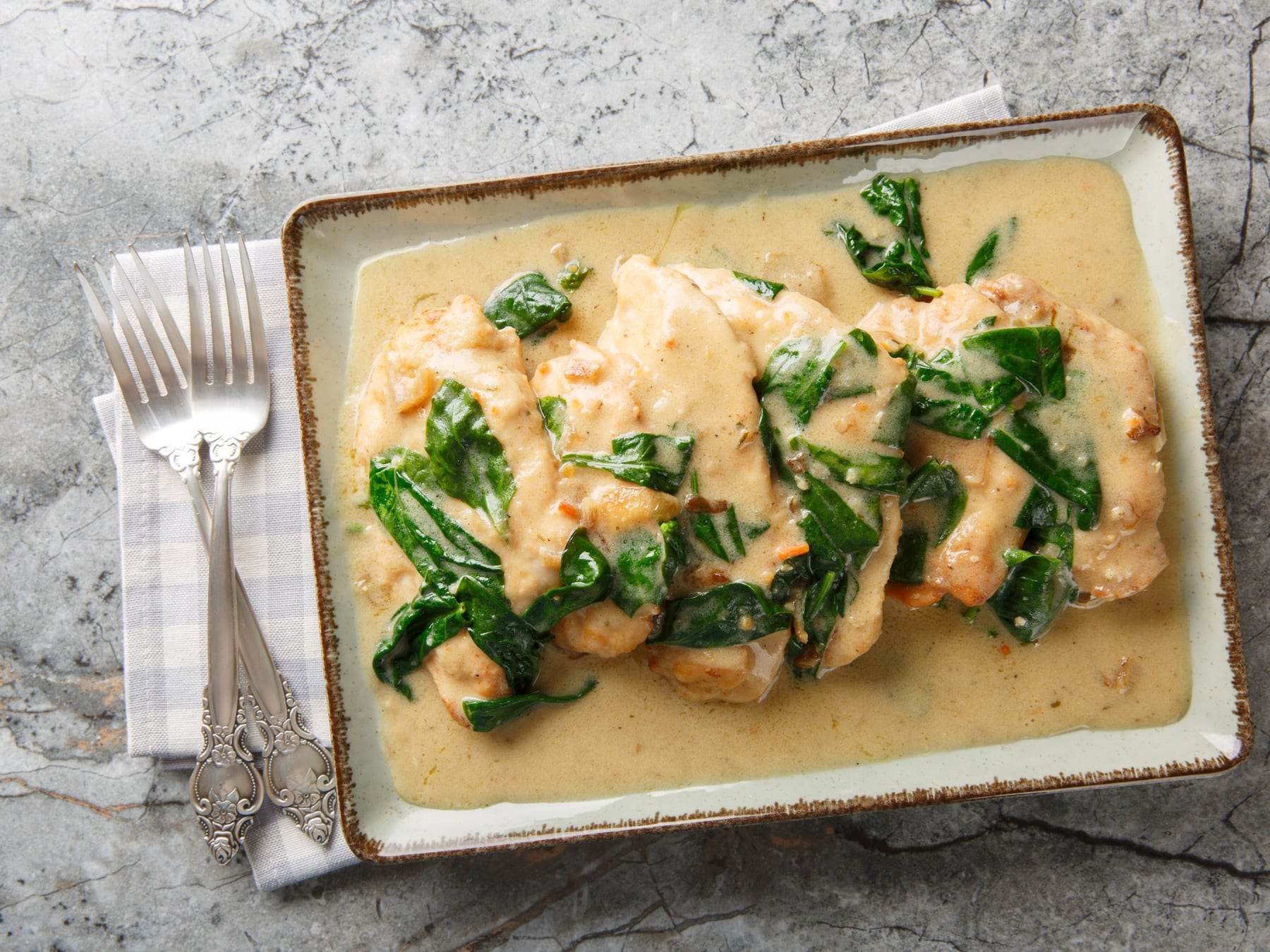
The preparation of moqueca in Espírito Santo differs from the Bahian version. Here, the dish is cooked in black clay pots and does not include dendê oil (an extract obtained from the African oil palm) or coconut milk. The pots are made by hand by paneleiras, the women potters of the Goiabeiras neighborhood in Vitória.
The work is transmitted from generation to generation, mainly among women, and in 2002 the National Historical and Artistic Heritage Institute of Brazil registered the craft as Intangible Cultural Heritage. Clay comes from a deposit in the Vale do Muleembá. Each piece is shaped manually, fired outdoors and coated with dye made from the bark of the red mangrove, which provides its characteristic black color. At the sales space, every pot includes the name and contact information of its maker.
Manglar, Playas y una romería centenaria
The urban mangrove of Vitória covers approximately 11 square kilometers and can be explored by boat. Tides transform the landscape: when they are low, sandbanks and natural pools emerge, while high tide opens access to different areas. The community-based tours last between two and a half and three hours.
In Vila Velha, located across the mouth of the Santa Maria River from Vitória, the Convento da Penha stands on a 154-meter-high rock overlooking the bay. Its history dates back to 1558. Every year, after Easter, the Romaria dos Homens brings pilgrims together on a 14-kilometer walk; in 2026, 1.2 million people took part.
Eighty kilometers farther south, the Anchieta National Sanctuary preserves the memory of the Spanish Jesuit José de Anchieta, who was canonized in 2014 and is associated with the first grammar of the Tupí language and the founding of Rio de Janeiro and São Paulo. From this point begins the Os Passos de Anchieta, a 100-kilometer walking pilgrimage route to Vitória, created in 1998.
From July through November, humpback whales arrive from Antarctic waters to mate off the Espírito Santo coast. The destination is not yet part of the usual circuits for Argentine travelers, but hotel and restaurant infrastructure is already in place. The state combines beaches with calm waters, navigable mangroves, religious heritage, protected gastronomy and whale watching, all within a relatively compact territory.